

Blog
Advantages of 200CC Electric Tuk-Tuk for African Complex Road Conditions

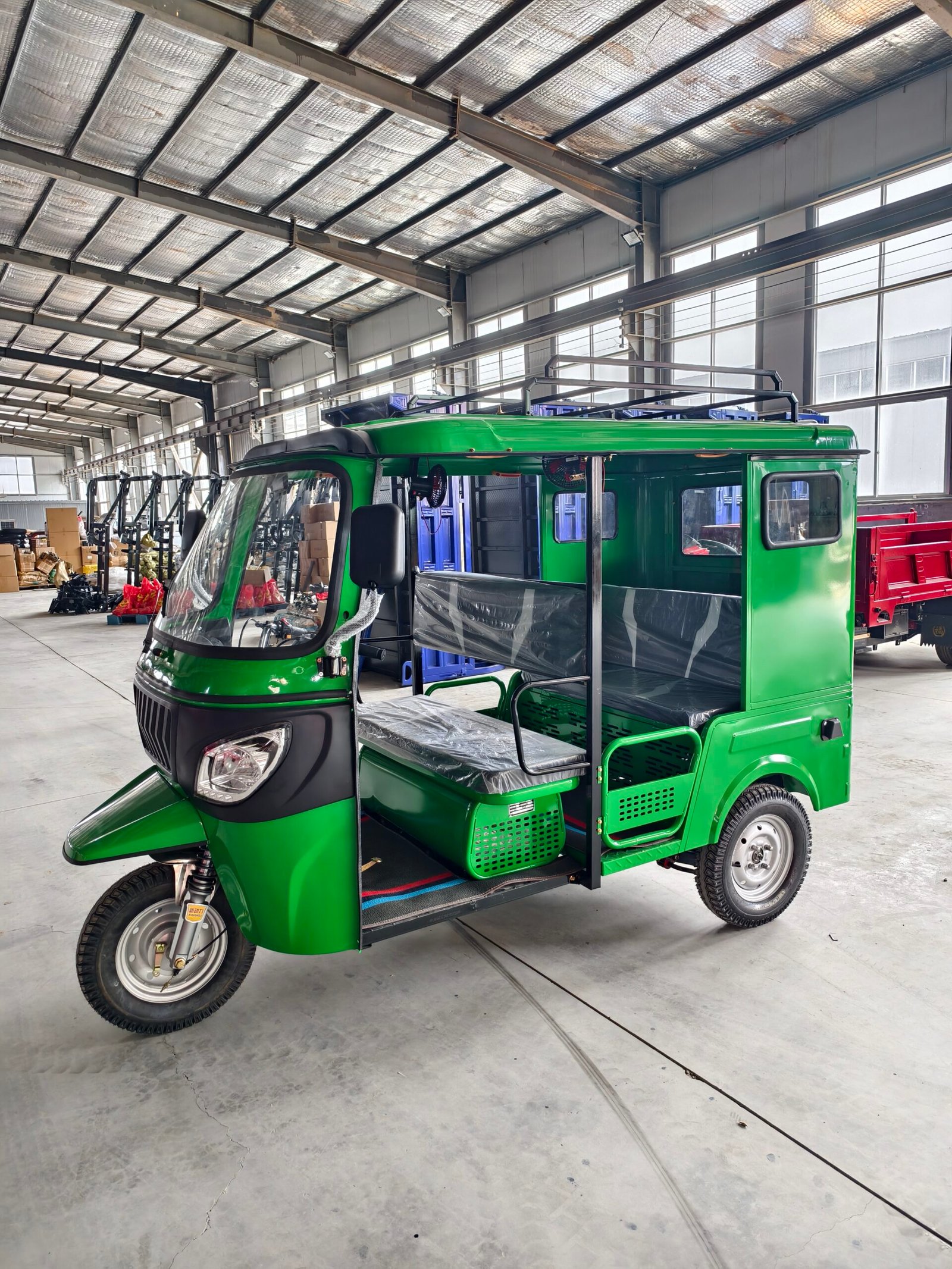
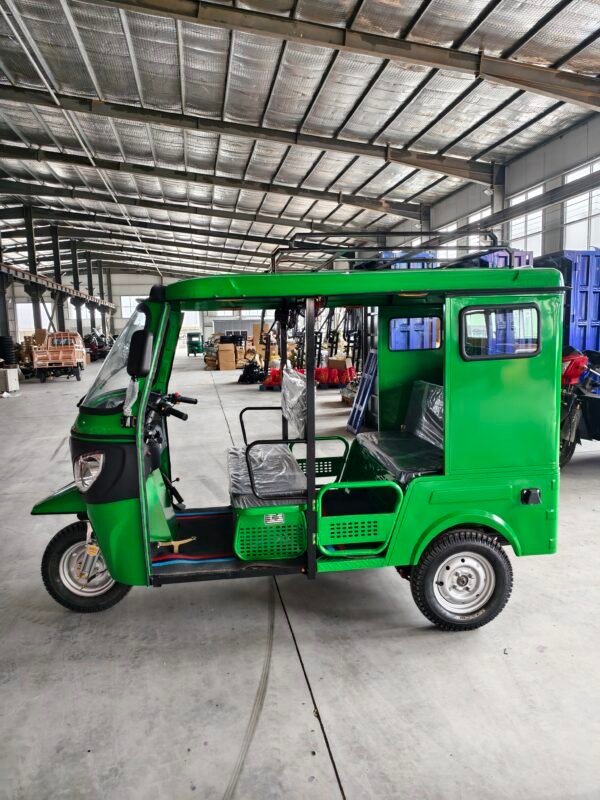
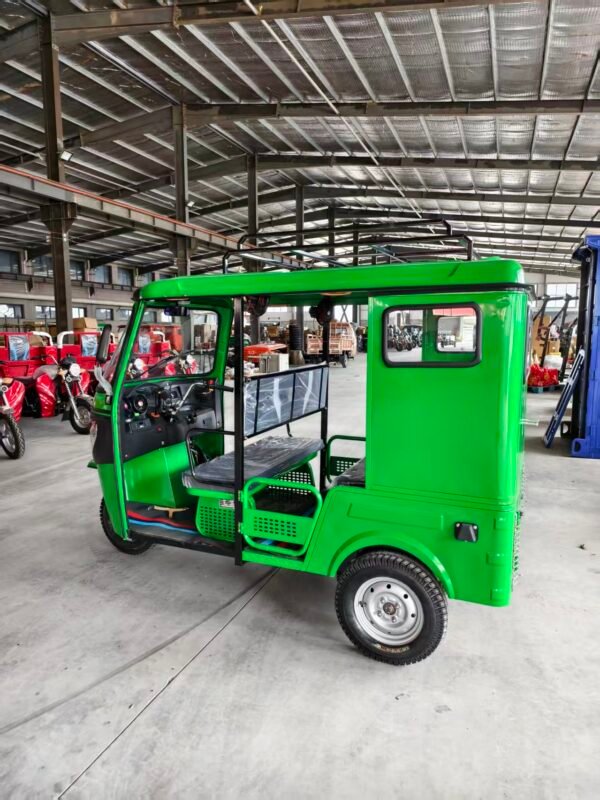
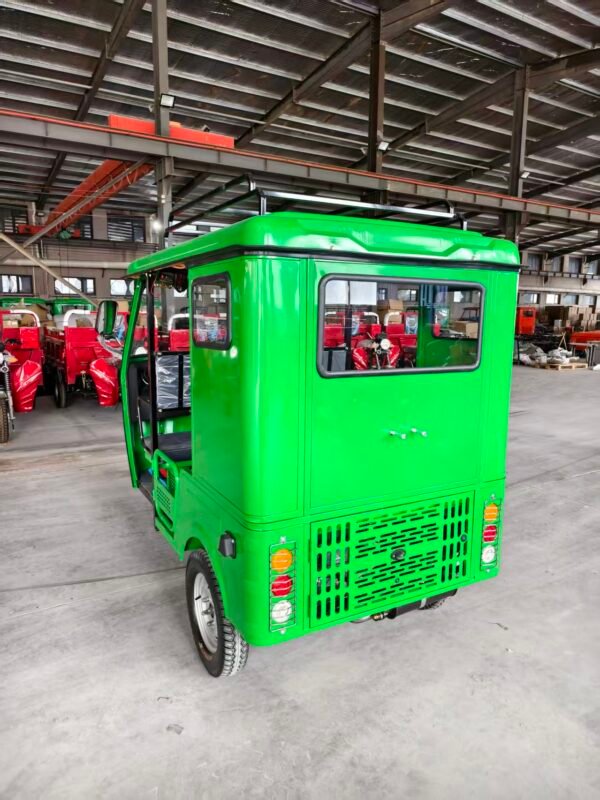
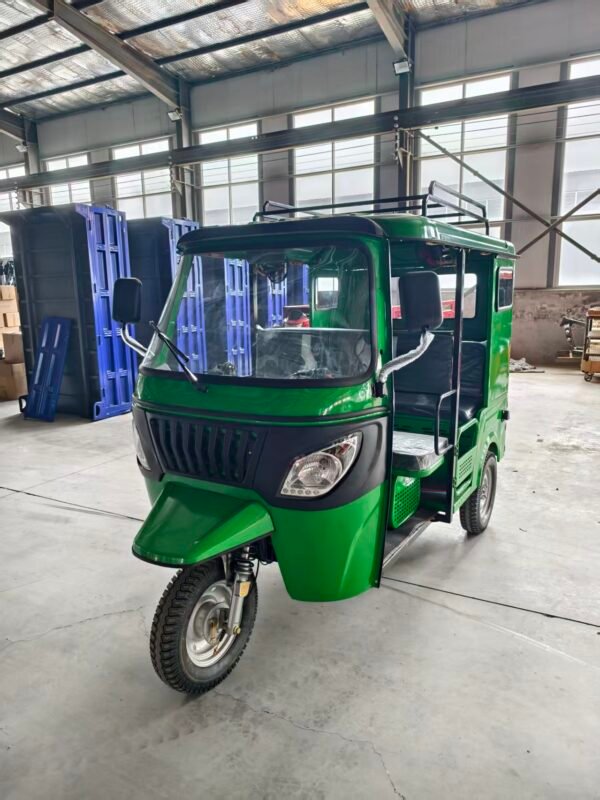
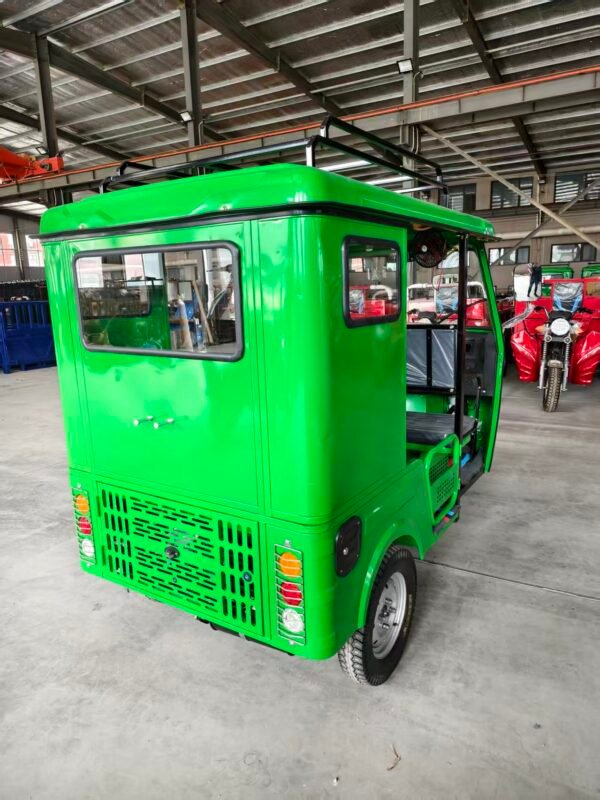
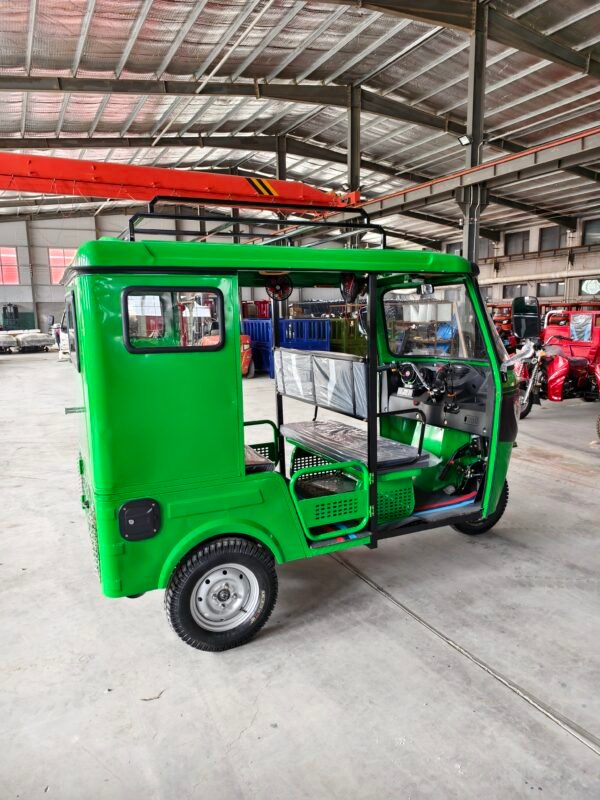
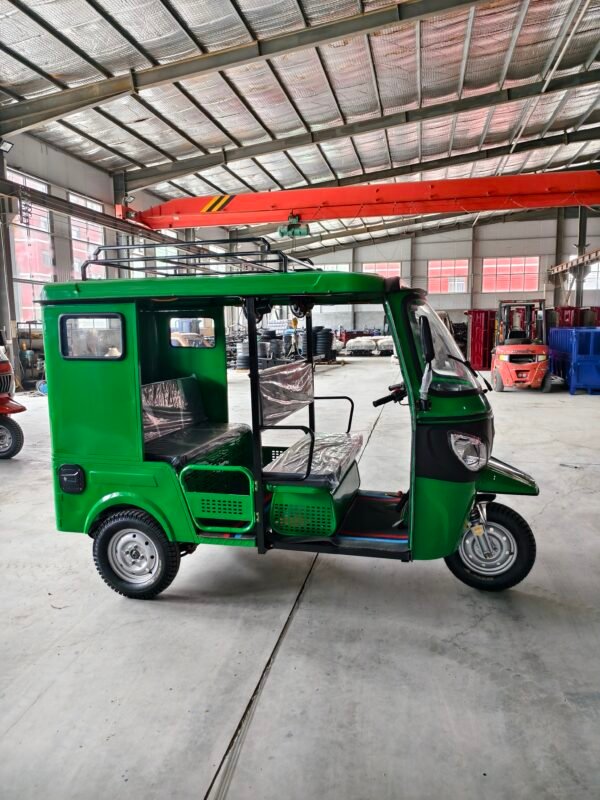
Our 200CC electric tuk-tuk adopts a professional rear-engine and rear-wheel drive layout, which is perfectly tailored to the complex and diverse road conditions across Africa.
Equipped with the mature rear-wheel drive structure, the vehicle realizes a clear division of functions: the front wheels take charge of steering flexibly, while the rear drive wheels undertake all power output. This design brings an optimized weight distribution with reasonable load on the rear axle. When traveling on rugged, bumpy, uneven mountain roads, rural dirt roads and potholed urban roads common in Africa, the rear drive wheels maintain strong and stable road grip. It effectively avoids skidding and power loss that frequently occur in front-wheel drive vehicles on complex terrains, ensuring stable power output, flexible passing performance and excellent obstacle-crossing ability. Whether it is rough gravel roads, undulating country lanes or poorly maintained urban roads, this 200CC electric tuk-tuk can drive freely and steadily, adapting to various daily travel and cargo transportation scenarios in Africa.
While electric vehicles are energy-saving and eco-friendly, we fully understand the actual energy situation of most African countries. Many regions in Africa suffer from unstable power supply, insufficient infrastructure and widespread power shortages, making large-scale electric vehicle promotion and charging extremely inconvenient.
Under such local practical conditions, gasoline-powered vehicles still stand as the most reliable and suitable choice for African markets. Gasoline fuel is easy to purchase and replenish locally, free from the restrictions of charging piles, power grid stability and charging time. It can realize instant refueling and immediate driving, perfectly matching the high-frequency and uninterrupted travel and transportation needs of local residents.In conclusion, our 200CC rear-wheel drive electric tuk-tuk boasts outstanding road adaptability and durable performance for African complex terrains. Meanwhile, based on the current power shortage situation in most African regions, gasoline-powered models remain the most pragmatic and mainstream travel solution, bringing stable, efficient and worry-free mobility for local users.