

Blog
Electrification Is the Future Trend

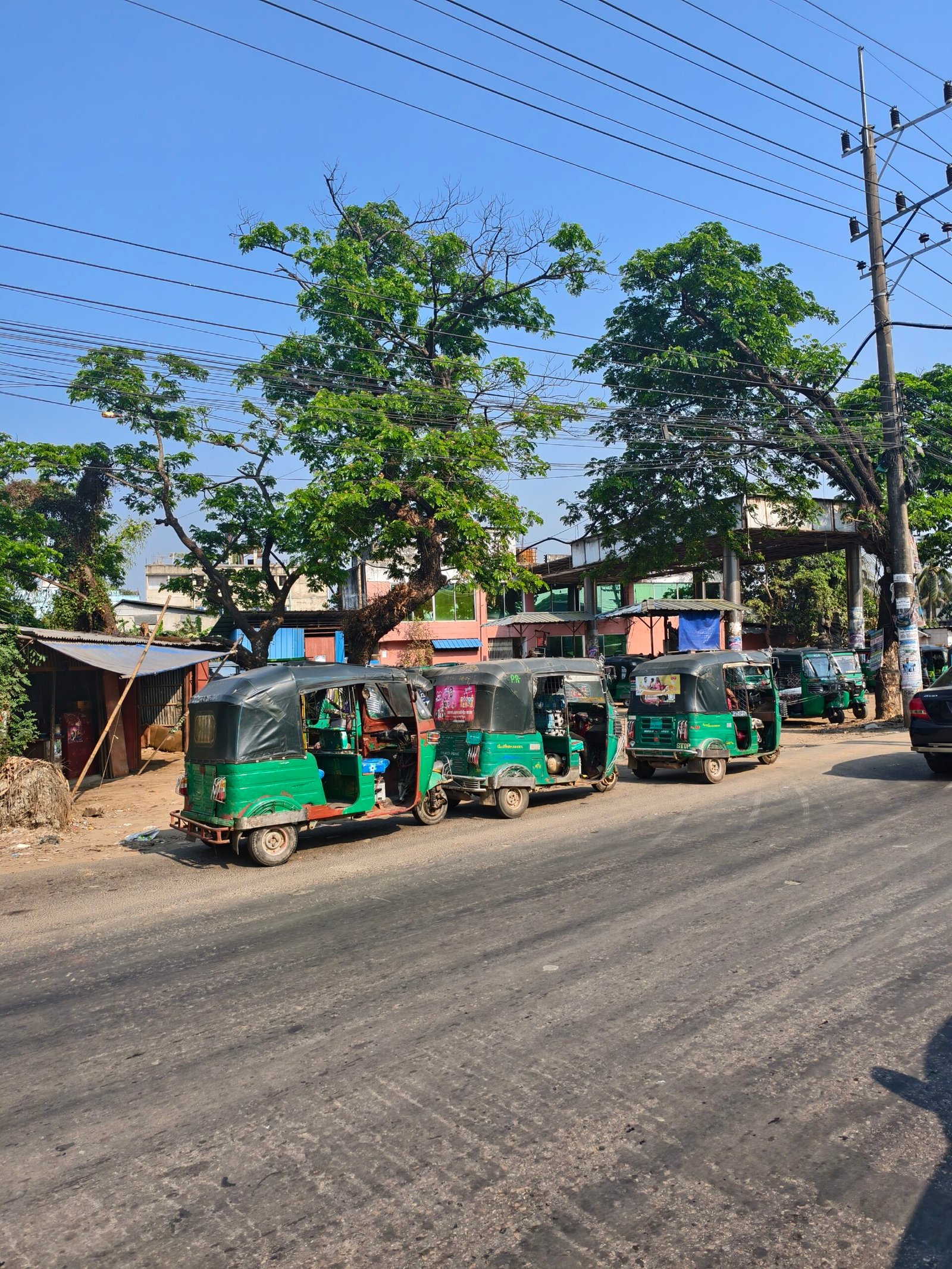
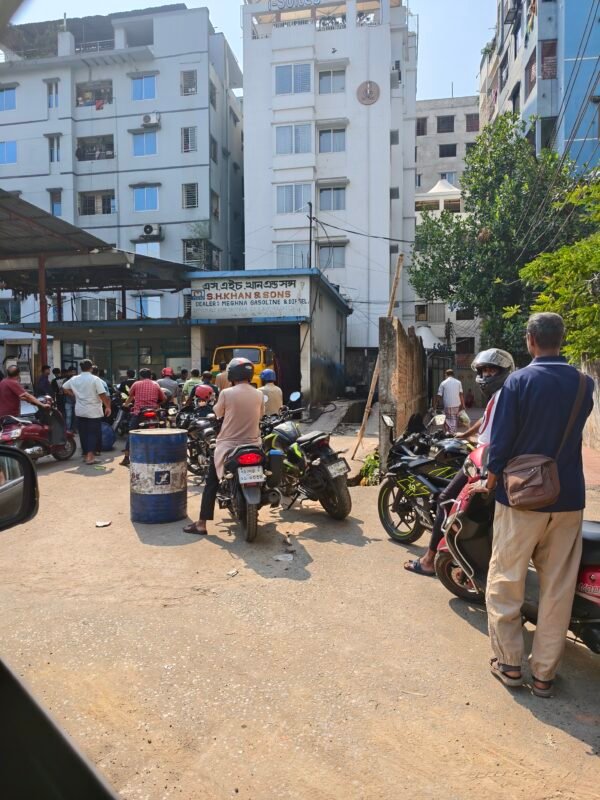
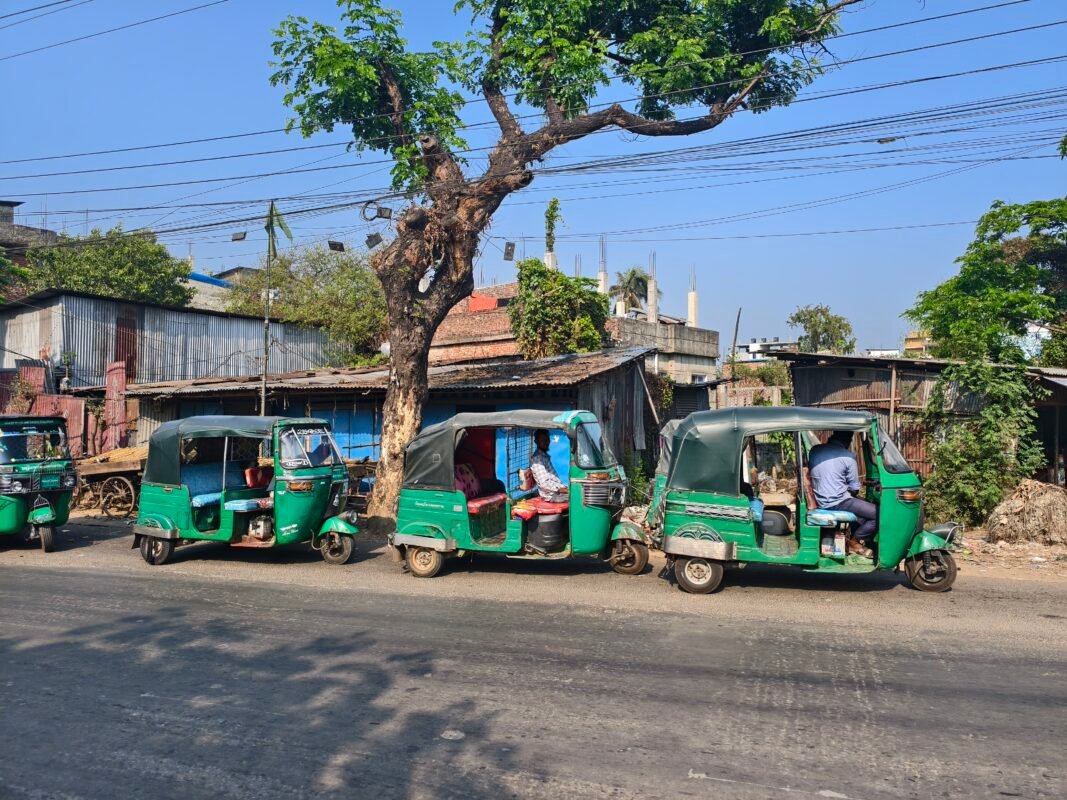
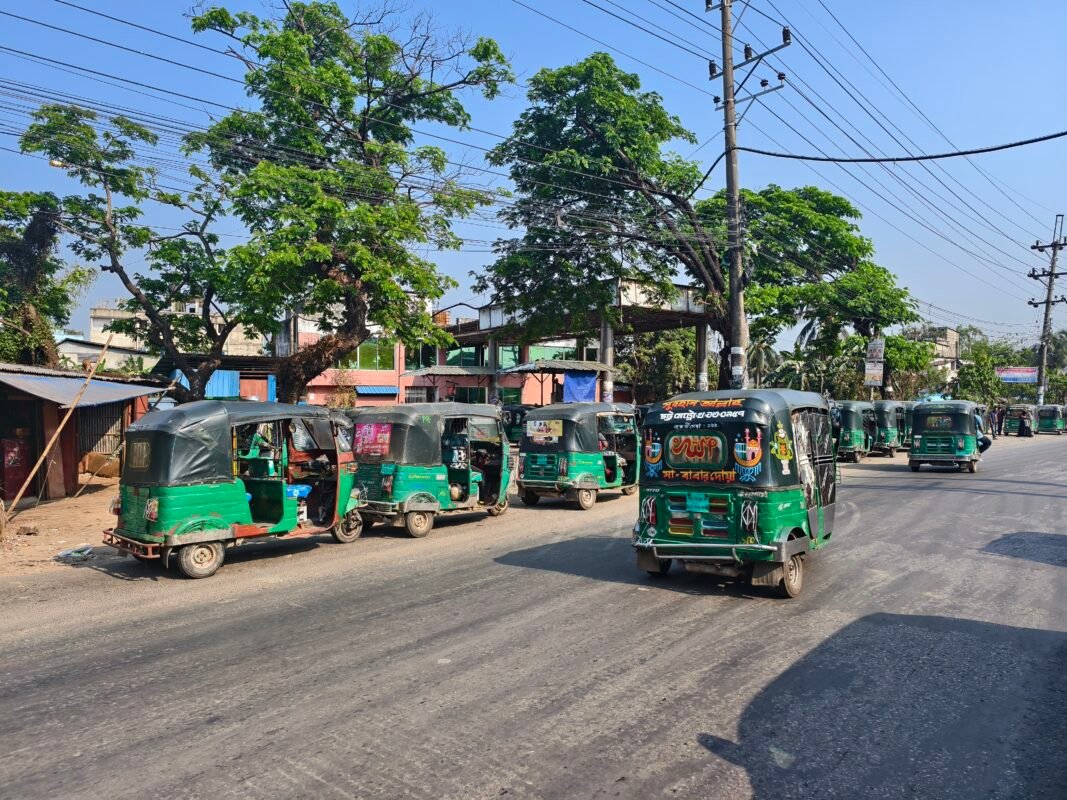
Take a look at the lines snaking at fuel stations—rows of tuktuks and motorcycles waiting for hours to top up with CNG or gasoline. For drivers, this wasted time means lost earnings; for cities, it means more emissions and congestion. But there’s a clear way forward: electric tuktuks, the clean, efficient future of urban mobility.
Long fuel lines are a daily reality for millions of drivers across South Asia and Africa. Every minute spent waiting at the pump is a minute not spent ferrying passengers or delivering goods. Rising fuel costs only compound the problem, squeezing already thin profits further. Meanwhile, the exhaust fumes from these idling vehicles fill the air, harming public health and contributing to climate change.
Electric tuktuks eliminate these frustrations entirely. No more queuing for fuel—simply charge at home, at a depot, or at a public charging station during off-hours. Charging is quick, convenient, and far cheaper per kilometer than gasoline or CNG, putting more money back into drivers’ pockets at the end of each day.
Beyond convenience, electric tuktuks are a clean energy solution. They produce zero tailpipe emissions, reducing air pollution and creating healthier streets for everyone. Quieter operation also means less noise pollution, making urban neighborhoods more livable for residents and more comfortable for passengers.
As cities around the world push for greener transport, electric tuktuks are not just a trend—they’re a necessity. They offer a practical, affordable path to a more sustainable future, one that benefits drivers, communities, and the planet alike.
The writing is on the wall: the days of waiting in fuel lines are numbered. Electric tuktuks are here to stay, and they’re ready to drive us forward into a cleaner, more efficient tomorrow.